“Don’t let drought leave a dirty legacy.”
Farmers urged to test water as contamination risk rises after dry weather
Following an unusually dry spring across the UK, dairy farmers are being advised to test and treat private water supplies, as the risk of microbial contamination increases.
Water quality is an invisible threat on farm with serious consequences for herd health and productivity – particularly when boreholes, watercourses and troughs become compromised by bacterial build-up during dry weather.
Will Whittingham, Ruminant Sales Manager at Kersia UK warns of the ‘first flush effect’ which can arise after prolonged dry periods.
“When rain eventually arrives, it can wash accumulated contaminants such as E. coli, Salmonella or Cryptosporidium into water systems,” says Mr Whittingham.
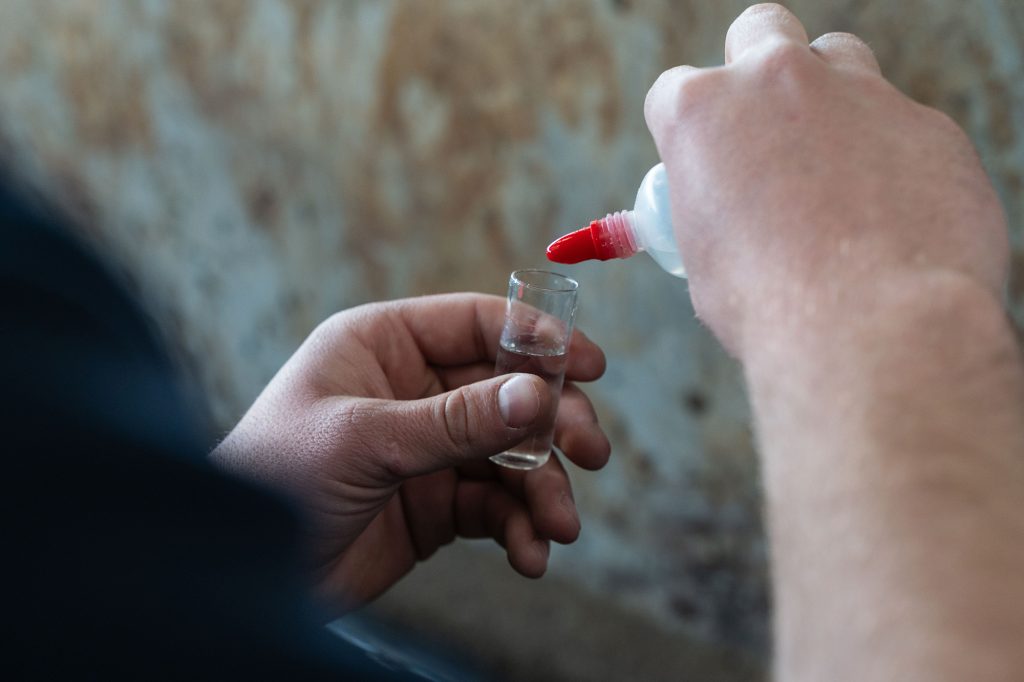
“While many dairy farms use private boreholes or springs, few test them regularly enough. As you can’t see pathogens, it’s easy to assume the water is safe. However, water should be tested every six months, and ideally more often in times of environmental stress.”
Contamination risks increase significantly during and after drought. Stagnant water in troughs can harbour harmful microbes and encourage algae, while shrinking water levels in boreholes or watercourses can allow surface run-off and manure to enter the system. Warmer temperatures also encourage microbial growth.
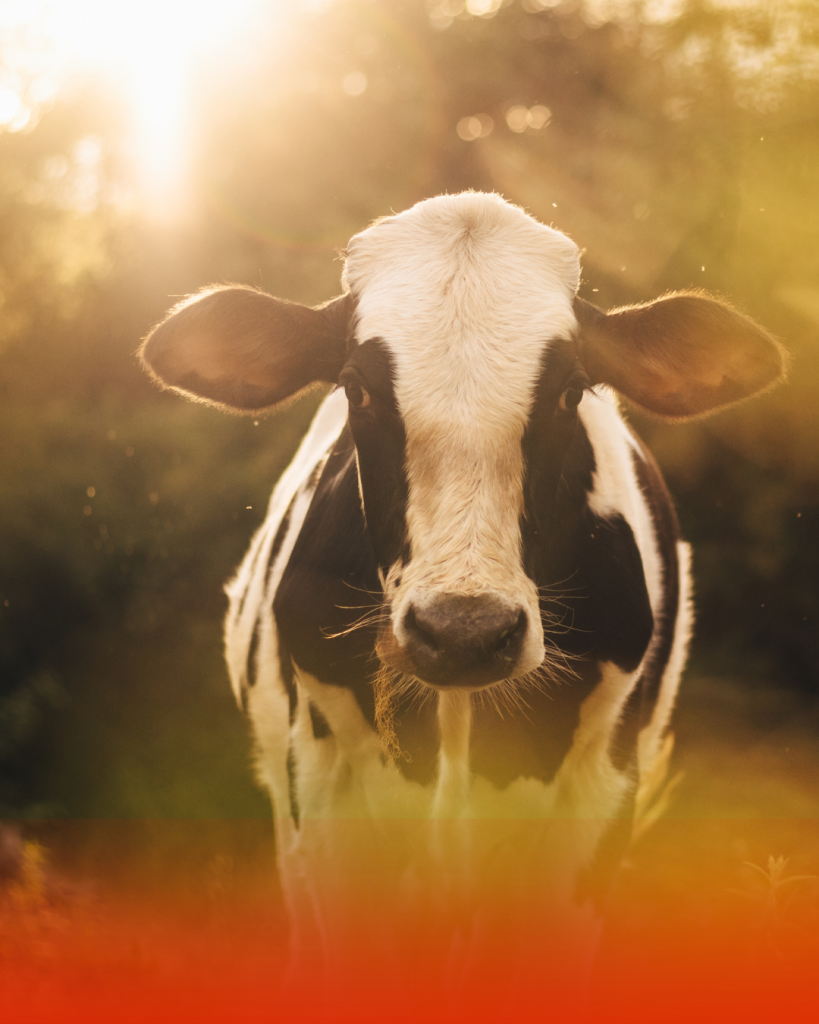
“Clean water is just as important as providing high quality feed, with lactating cows consuming over 100 litres a day. Any drop in intake or poor water hygiene can impact milk yield, fertility and introduce disease,” he adds.
Kersia, a global leader in biosecurity and hygiene, advises farms to review their water management strategy. This includes sampling water from multiple points, checking for microbial and mineral imbalances, and implementing treatment systems where needed – such as UV filtration, chemical dosing, or improved trough hygiene routines.
“Some farms benefit from low-level continuous treatment, others need emergency interventions when issues arise.
“Don’t let drought leave a dirty legacy and act before you start to see sick animals. Preventative testing and regular biosecurity protocols will protect both the herd and your bottom line. We recommend working with a trusted supplier or vet to interpret test results and develop a treatment plan,” concludes Mr Whittingham.
Share this post

Follow us on Instagram
Request a free monthly Farmart Magazine.