The beef market is continuing to strengthen. The graph below shows the upward trajectory of finished cattle prices since 2021. Industry commentators are reporting an ongoing tightening of numbers into 2026/2027 which should keep the trade buoyant. Although my personal opinion is that the price has peaked, I don’t envisage any dramatic fall away from current levels.

Achieving optimal growth
We are starting the spring campaign of procuring 10–15-month-old cattle for grazing this summer that will either finish off grass or finish out of yards next Autumn and Winter. There is no doubt in my mind that the most productive and economically beneficial period of growth is between April and September. Good grass land management is critical to maximizing growth rates and the old adage of keeping the grass short and not letting it get past its leafy stage and become stemmy and so reducing its feed value is still important.
The right cattle
Getting the right cattle, that preferably have seen grass in the previous summer, is also important. Date of turnout depends on grass growth and the weather, but I would urge anyone not to err on the side of caution and get the cattle out as early as possible, so the grass grows with them.
Clean grass
Paddock grazing systems are becoming increasingly popular, and they do help in keeping clean fresh grass in front of cattle. Whilst not viable on every farm, they are of benefit particularly when grazing younger cattle.
The right breed
The breed of cattle is also significant. Beef bred cattle have the advantage of having had their first summer at grass with their dams and genetically will be capable of good growth rates, native bred cattle thrive on grass and forage whilst continental cattle will require feeding at grass and in the finishing period. Continental cattle obviously achieve higher growth rates and better carcass conformation and a higher deadweight capability.
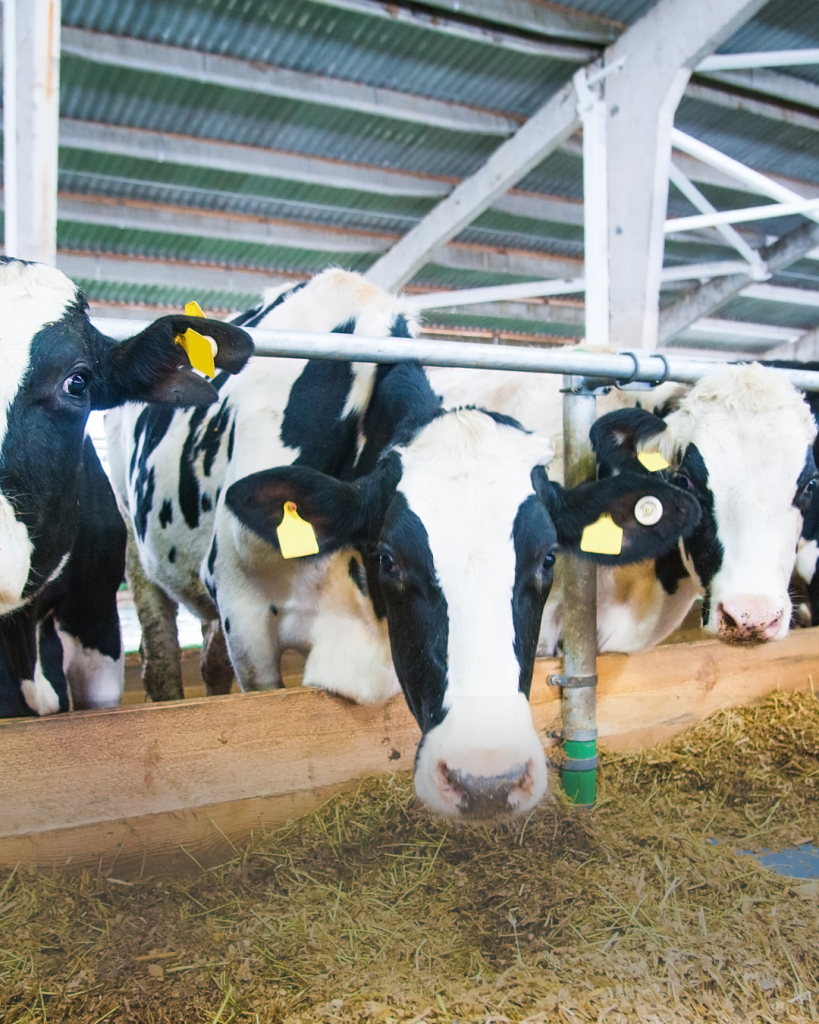
Dairy bred cattle should not be dismissed for grazing. Whilst their performance is behind beef bred cattle, they still fulfil a viable function as grazing cattle as they tend to be easier to manage, and their temperament is good. The thing to remember with dairy cross stores is to get them big enough at turnout in the spring. Anything less than 250 kgs, particularly in a cold wet spring, is unlikely to perform to its potential.
The question then of course is price. There is no doubt that beef bred stores will cost be more than dairy bred stores, and it is a matter of judgement on what will produce the better returns.
Selling or buying cattle?
If you have store cattle to sell or are looking to buy in cattle or just looking for general advice, you are welcome to contact Peter Jones:
Mobile Number: 07720 892922
Office Number; 01829 730580
Email: p.jones@peterjoneslivestock.co.uk
Website: www.peterjoneslivestock.co.uk