Paid advertisements

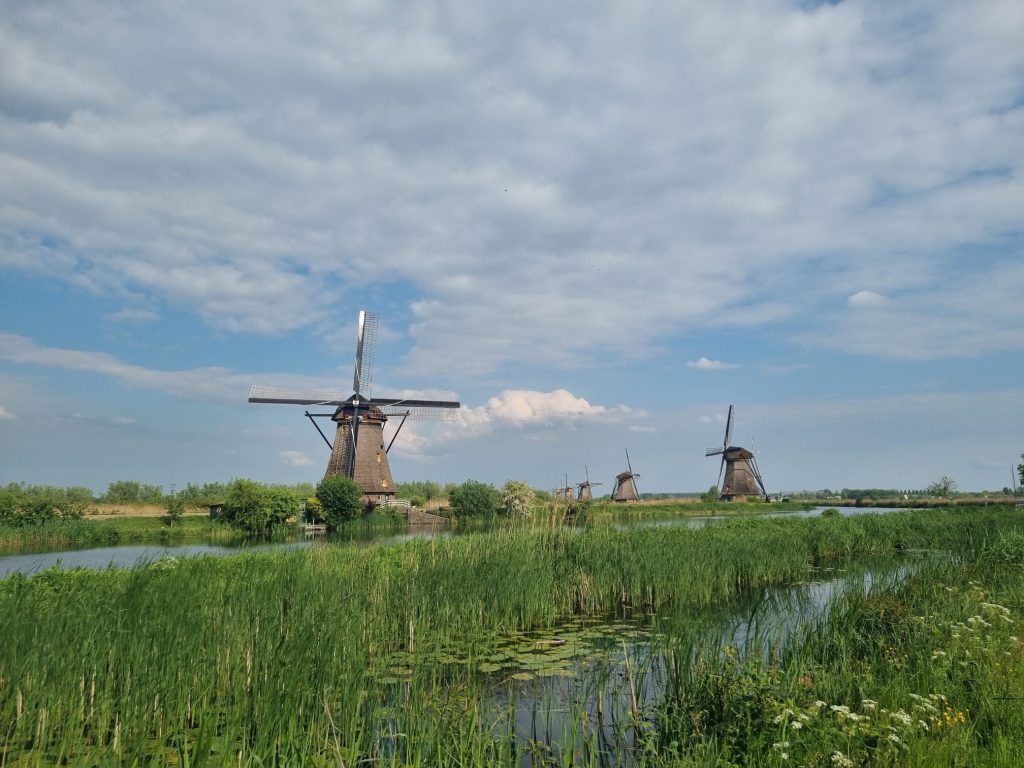

At the beginning of May, the Farm Retail Association attended the 2nd World Farmers Market Coalition European Regional Meeting in Rotterdam, to learn more about local food systems, food sovereignty, public health and the future of farming communities.
A visit to innovative farming operations on the outskirts of Rotterdam provided a fresh insight into how UK farmers could strengthen resilience, diversify income streams and reduce food waste in an increasingly challenging landscape.
Located just 36 hectares from the city, the farms demonstrate a highly integrated approach to agriculture, combining traditional production with environmental stewardship and direct-to-consumer models.
Diversification at the core
One farm, with a 100-year history, has undergone significant transformation over the past 25 years. Originally focused on dairy, cereals and arable production, the business has evolved to include a wide range of complementary enterprises designed to engage the public and add value.
These include:
By broadening its offer, the farm has created multiple revenue streams while strengthening its connection with the local community.
Labour and community integration
The model also highlights new approaches to labour. The farm employs around 30 full-time staff, supplemented by volunteers and individuals gaining work experience, including those with additional needs.
This approach not only supports workforce challenges but also positions the farm as a social asset within the community.
A strong sense of community underpins the farm’s success, with around 130 volunteers, 70 to 80 contributing weekly across the garden, orchards, shop and market, many of whom have been involved for 20 to 30 years, making an essential contribution to what remains a largely hand-worked, people-powered operation.
Sustainable production and biodiversity
Environmental considerations are embedded throughout the system. A mix of field crops, including wheat, legumes, and grasses, is combined with integrated water management to support biodiversity and maintain productivity.
Livestock are also part of the system, though grazing practices are carefully managed to balance environmental impact with output.
Tackling food waste head-on
A key takeaway is the farm’s approach to reducing waste. Produce that does not meet retail cosmetic standards is repurposed within the business, either sold through alternative channels or used in value-added products.
This not only improves margins but aligns with growing consumer demand for sustainability.
Lessons for UK agriculture
With UK farmers facing pressure from rising costs, labour shortages and changing policy frameworks, the Dutch model offers several relevant lessons:
As the UK agricultural sector adapts to post-Brexit realities and evolving consumer expectations, examples like Rotterdam’s farms demonstrate how innovation, diversification and community engagement can help future-proof farm businesses.
For more information about the FRA visit www.farmretail.co.uk