Paid advertisements

Main Menu
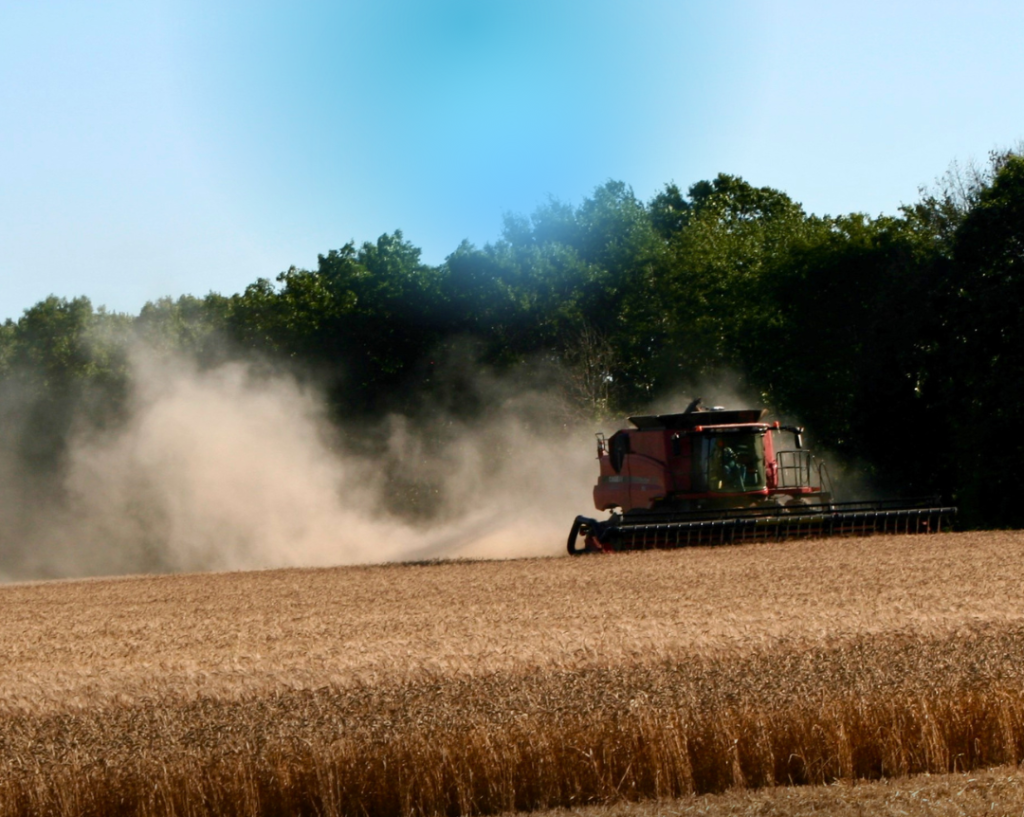
Campaigners and farming leaders are intensifying debate over the future use of glyphosate as the UK prepares to review approval for the widely used herbicide later this year.
The discussion centres on the use of glyphosate as a pre-harvest desiccant - where the chemical is sprayed onto cereal and oilseed crops shortly before harvest to dry and even out ripening. Environmental groups and organic farming advocates are calling for the practice to be banned, while farming organisations insist the product remains a vital tool for sustainable food production when used responsibly.
The Soil Association has launched a campaign urging ministers to prohibit the use of glyphosate for crop drying, arguing that the practice can leave chemical residues in food products including bread, breakfast cereals and beer. The campaign comes ahead of a planned consultation by the Health and Safety Executive (HSE) on whether glyphosate approval in Great Britain should continue beyond December 2026.
Organic farmer and Riverford founder Guy Singh-Watson said campaigners are not seeking a complete ban on glyphosate, but instead want an end to its use immediately before harvest.
He argued that spraying crops days before harvesting increases the likelihood of residues entering the food chain and described the practice as relatively recent rather than essential to wheat production.
Glyphosate, first developed in the 1970s and commonly associated with Roundup weedkiller, remains one of the most widely used herbicides globally. The European Union banned its use as a pre-harvest desiccant in 2023, although the chemical is still approved there for other agricultural applications.
Farming organisations, however, continue to defend its role in modern crop production. The NFU has renewed calls for any regulatory decision to remain firmly rooted in scientific evidence and independent assessment.
NFU Deputy President Paul Tompkins said global regulatory authorities have repeatedly concluded glyphosate is safe when used correctly and that any residues detected in food remain within strict legal safety limits.
He described glyphosate as an “essential tool” for farmers, particularly in the UK’s increasingly unpredictable climate, where it is used to support harvesting efficiency, weed control and disease management while helping maintain affordable food production.
According to the NFU, glyphosate can also reduce the need for mechanical cultivation and crop drying, lowering diesel consumption and supporting soil health through reduced tillage systems.
Farmer Dave Bell, chair of the Voluntary Initiative for the use of Plant Protection Products, echoed those concerns, saying glyphosate helps reduce carbon emissions and supports crop rotation and soil management.
He warned that without glyphosate, growers may need to rely more heavily on fuel-intensive crop drying and alternative weed control methods.
The HSE is expected to launch a two-month public consultation this summer as part of the ongoing regulatory review process. Glyphosate currently remains approved for use in Great Britain while regulators assess updated scientific evidence.
The debate over glyphosate’s safety has continued for years, with scientific and regulatory bodies reaching differing conclusions.
In 2015, the International Agency for Research on Cancer classified glyphosate as “probably carcinogenic to humans”, citing limited evidence in humans and stronger evidence in laboratory animals.
However, subsequent reviews by regulatory agencies including the European Chemicals Agency (ECHA), the European Food Safety Authority (EFSA) and the United States Environmental Protection Agency concluded that glyphosate is unlikely to pose a cancer risk when used according to approved guidelines.
More recently, a group of international scientists reviewing newer research argued that evidence linking glyphosate and glyphosate-based herbicides to human health risks has strengthened and called for tighter regulation.
A government spokesperson said glyphosate, like all pesticides, is subject to strict controls in Great Britain and is only approved where evidence shows it can be used safely without unacceptable impacts on people, animals or the environment.
The spokesperson added that the UK’s National Action Plan for pesticides supports efforts to minimise pesticide use through integrated pest management and other sustainable farming approaches.
Share this post

Follow us on Instagram
Request a free monthly Farmart Magazine.